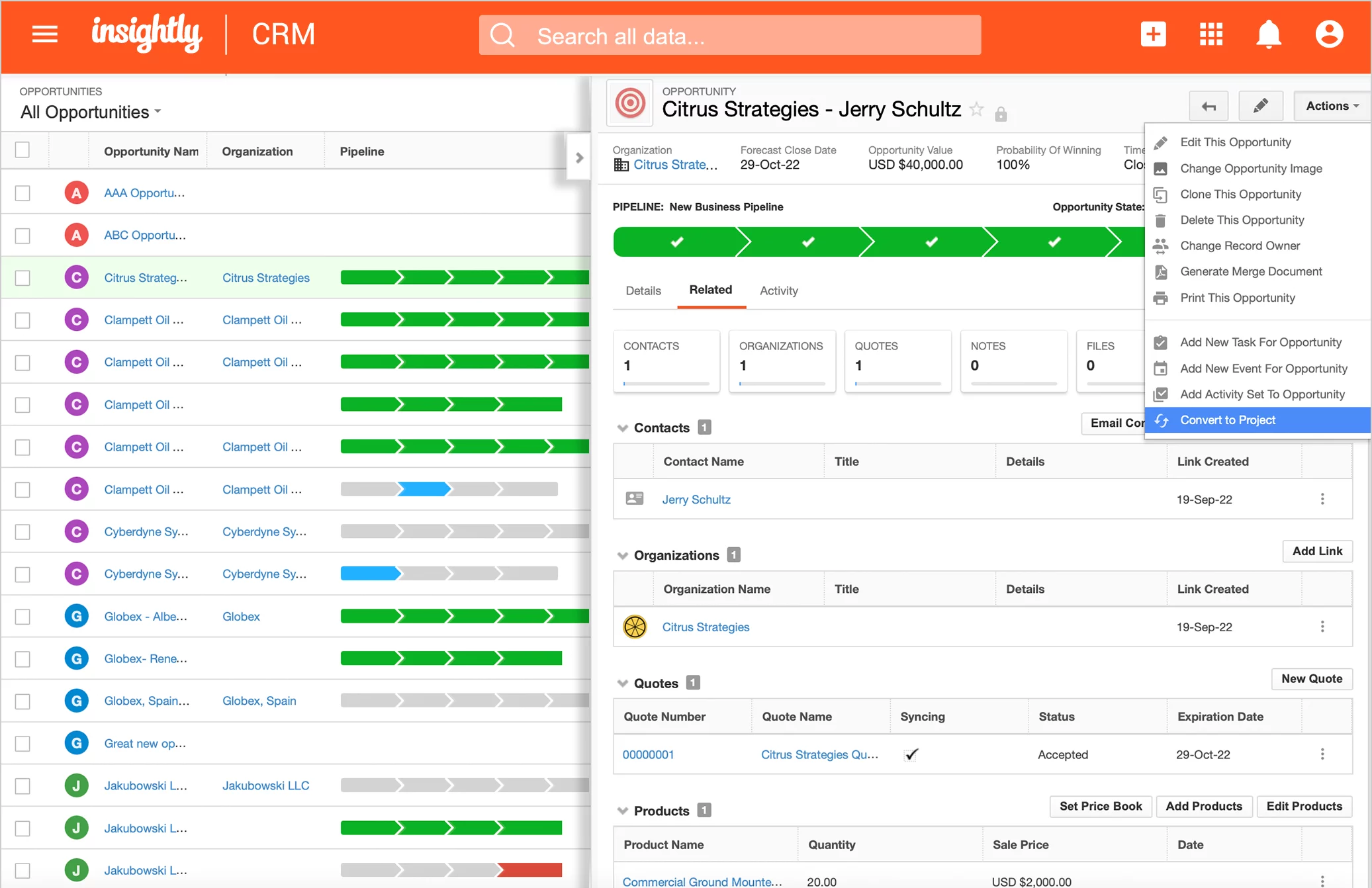
In today’s competitive and customer-centric business environment, organizations need more than just spreadsheets to manage interactions and relationships. Customer Relationship Management (CRM) platforms have emerged as essential tools that enable companies to manage leads, sales pipelines, customer service, marketing automation, and more — all from a centralized hub.
But with hundreds of options on the market, it’s easy to feel overwhelmed. To help you choose the best system for your business, we’ve compiled a detailed guide featuring the top CRM platform examples, their core features, use cases, and what makes each one stand out in 2025.
What Is a CRM Platform?
A CRM platform is a software solution that helps businesses manage and analyze customer interactions and data throughout the customer lifecycle. From the first point of contact to post-sale follow-ups, a CRM system stores every detail, allowing teams to improve relationships, close more deals, and drive growth.
CRM platforms can serve various departments:
- Sales: Track leads, manage pipelines, and close deals faster.
- Marketing: Automate campaigns and segment audiences.
- Customer Support: Log tickets, resolve issues, and boost satisfaction.
- Operations: Streamline workflows and improve cross-team collaboration.
Top CRM Platform Examples in 2025
Here are 10 top CRM platform examples, ranging from all-in-one solutions to specialized tools for specific industries or business sizes.
1. Salesforce CRM
Best for: Large enterprises and highly customizable solutions.
Overview:
Salesforce is widely regarded as the world’s #1 CRM platform, offering a full suite of tools for sales, service, marketing, analytics, and more. It’s highly customizable and supported by a vast ecosystem of third-party apps via AppExchange.
Key Features:
- AI-powered insights with Einstein Analytics
- Custom dashboards and automation
- Industry-specific modules (e.g., Finance, Healthcare, Nonprofit)
- Scalable for businesses of all sizes
2. HubSpot CRM
Best for: Small to medium businesses looking for a free, easy-to-use CRM.
Overview:
HubSpot CRM is known for its user-friendly interface and seamless integration with HubSpot’s marketing, sales, and service hubs. Its free version includes many features that other platforms charge for, making it ideal for growing businesses.
Key Features:
- Contact management and email tracking
- Built-in marketing automation
- Live chat and chatbot tools
- Sales pipeline visualization
3. Zoho CRM
Best for: Small to mid-sized businesses seeking affordability and flexibility.
Overview:
Zoho CRM offers a comprehensive suite of features at a competitive price point. It’s part of the larger Zoho ecosystem, which includes email, finance, HR, and project management tools.
Key Features:
- Lead scoring and AI-powered sales assistant (Zia)
- Omnichannel communication (email, phone, social)
- Workflow automation
- Integration with over 500+ third-party apps
4. Microsoft Dynamics 365 CRM
Best for: Enterprises using Microsoft products and cloud-based ERP.
Overview:
Microsoft Dynamics 365 CRM blends sales, marketing, and customer service into a unified platform. It works seamlessly with Microsoft 365 and Azure, offering powerful analytics and deep customization.
Key Features:
- Relationship insights with AI
- Sales forecasting and pipeline management
- Customer service automation
- Integration with Teams, Outlook, and Power BI
5. Pipedrive
Best for: Sales teams looking for a visual and intuitive pipeline management tool.
Overview:
Pipedrive is designed specifically for sales teams that want a visual and easy-to-use CRM to track leads and close deals. It’s lightweight, fast, and focused on increasing productivity.
Key Features:
- Drag-and-drop sales pipeline
- Email integration and templates
- Deal and activity tracking
- Workflow automation
6. Freshsales (by Freshworks)
Best for: Fast-growing startups and mid-size businesses.
Overview:
Freshsales is part of the Freshworks suite and delivers an AI-powered CRM experience. It combines contact management, email tracking, pipeline visibility, and automation.
Key Features:
- AI lead scoring and chatbots
- Email, phone, and SMS integration
- Built-in calendar and task management
- Smart sales sequences
7. Insightly
Best for: Project-driven businesses that need CRM + project management.
Overview:
Insightly is a CRM built with project management in mind, making it a favorite among consultancies, agencies, and service providers.
Key Features:
- Relationship linking and data visualization
- Task and project management tools
- Marketing automation
- Custom workflows and dashboards
8. Monday Sales CRM
Best for: Teams seeking high customization and visual management.
Overview:
Built on Monday.com’s work operating system, Monday Sales CRM provides customizable pipelines, workflows, and dashboards for managing customers and sales.
Key Features:
- No-code automations
- Custom fields and boards
- Email sync and activity tracking
- CRM widgets and timeline views
9. Nimble CRM
Best for: Small teams and professionals with heavy social media engagement.
Overview:
Nimble is a social CRM that integrates social media with customer relationship data, making it ideal for networking and relationship-based selling.
Key Features:
- Social profile enrichment
- Unified inbox and calendar
- Contact segmentation and tagging
- Smart contact insights from LinkedIn, Twitter, etc.
10. Apptivo
Best for: Small businesses looking for a flexible, affordable CRM.
Overview:
Apptivo offers a modular CRM that allows businesses to pick and choose the features they need — from sales and marketing to invoicing and project management.
Key Features:
- Custom app creation
- Email campaigns and tracking
- Customer service ticketing
- Integration with G Suite and Office 365
How to Choose the Right CRM Platform
When selecting a CRM platform, ask yourself the following:
- What is your business size and growth plan?
- What departments will use the CRM? (Sales, Marketing, Support?)
- Do you need industry-specific functionality?
- What’s your budget? (Free tools like HubSpot may be enough for startups.)
- Do you require integrations with tools like Gmail, Outlook, Slack, etc.?
- Is mobile access important for your team?
A good CRM platform should align with your workflows, grow with your company, and improve how you serve your customers — not add complexity.
Benefits of Using a CRM Platform
- ✅ Better lead management and conversion
- ✅ Stronger customer relationships
- ✅ Increased team productivity
- ✅ Centralized data for smarter decision-making
- ✅ Higher customer retention and satisfaction
- ✅ More efficient marketing and sales alignment
CRM Platforms by Industry
Certain CRM platforms specialize in niche industries. Here are a few examples:
- CRM for Real Estate: Propertybase, LionDesk
- CRM for Nonprofits: Bloomerang, DonorPerfect, Salesforce NPSP
- CRM for Financial Services: Redtail, Wealthbox
- CRM for eCommerce: Klaviyo, Drip, Shopify CRM integrations
- CRM for Education: Blackbaud, CampusNexus
Conclusion
CRM platforms have become essential for streamlining operations, improving customer engagement, and driving growth. Whether you’re a small startup or a multinational enterprise, there’s a CRM out there that fits your specific needs.
Explore your options carefully, take advantage of free trials, and choose a CRM that aligns with your business strategy and future goals.