In the fast-paced and relationship-driven world of real estate, agents and agencies must juggle countless leads, clients, listings, property showings, contracts, and follow-ups every single day. In this demanding environment, CRM is not just a buzzword — it’s an essential tool that can make or break a real estate business.
So, what exactly does CRM mean in real estate, and why is it critical for real estate professionals?
CRM Meaning in Real Estate
CRM stands for Customer Relationship Management. In the context of real estate, it refers to software and strategies used to manage interactions with buyers, sellers, tenants, investors, and leads. A real estate CRM centralizes contact information, tracks communication, automates tasks, and helps agents stay organized and responsive throughout the entire client journey.
In simple terms, CRM in real estate helps agents manage relationships and close more deals — faster and smarter.
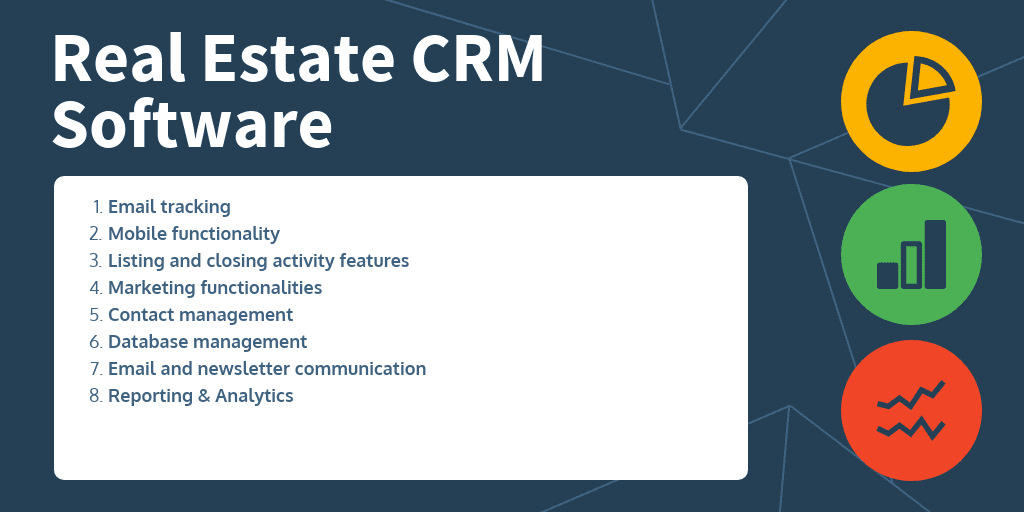
Key Functions of a Real Estate CRM
A real estate-specific CRM offers tailored features that go far beyond a standard contact list. It supports the full sales cycle — from lead capture to closing — while ensuring top-notch client service.
1. Lead Management and Capture
- Automatically capture leads from websites, landing pages, property portals, and social media.
- Tag and categorize leads based on buying stage, location, budget, and preferences.
- Assign leads to team members and set follow-up reminders.
2. Contact Management
- Store detailed profiles of clients and prospects.
- Track property preferences, communication history, and notes.
- Link contacts with properties they’re interested in.
3. Task and Appointment Scheduling
- Set automated reminders for calls, meetings, property tours, and document signings.
- Integrate with calendar tools to stay organized and never miss a follow-up.
4. Email and SMS Campaigns
- Send personalized property updates, newsletters, and drip campaigns.
- Automate responses to inquiries.
- Track opens, clicks, and responses for better engagement.
5. Property Management Integration
- Link clients with specific listings, price changes, or availability updates.
- Share virtual tours, photos, and documents directly from the CRM.
- Manage multiple listings and clients with ease.
6. Reporting and Analytics
- Monitor lead sources, sales performance, and agent productivity.
- Analyze which marketing efforts generate the best ROI.
- Forecast revenue and deal closures with pipeline tracking.
Benefits of CRM in the Real Estate Industry
1. Never Miss a Lead
In real estate, timing is everything. A CRM ensures no lead goes unnoticed. With instant notifications, task automation, and integrated messaging, agents can respond to inquiries quickly — often before competitors even notice them.
2. Build Stronger Client Relationships
A CRM helps agents remember critical details about clients, from birthdays to preferred neighborhoods. This leads to better client experiences, increased trust, and long-term relationships that generate referrals and repeat business.
3. Streamline Workflow and Save Time
Rather than juggling spreadsheets, sticky notes, and endless email threads, agents can use a CRM to automate follow-ups, track tasks, and manage deals all in one place.
4. Better Organization for Teams
For brokerages and agencies, a CRM enables team collaboration. Assign leads, monitor team performance, and ensure consistent communication across the board.
5. Smarter Marketing Campaigns
Segment your audience and run targeted email or SMS campaigns based on buyer behavior, location, or budget. This increases the chances of engagement and conversions.
Top CRM Platforms for Real Estate
There are dozens of CRM platforms available, but only a few are optimized for real estate professionals. Here are some of the most popular and trusted tools:
1. Zillow Premier Agent CRM
- Built into Zillow for easy lead capture.
- Great for solo agents using Zillow as a primary lead source.
2. kvCORE
- Powerful AI-driven CRM for real estate teams and brokerages.
- Includes smart campaigns, IDX integration, and lead scoring.
3. Follow Up Boss
- Designed specifically for real estate agents.
- Simple interface with strong automation and lead routing.
4. LionDesk
- Offers text messaging, video email, and integrated dialer.
- Ideal for agents who want a multichannel communication system.
5. Real Geeks
- Combines CRM with website and marketing tools.
- Excellent for lead generation and nurturing.
6. Zoho CRM (with Real Estate Customization)
- Highly customizable and affordable.
- Good for small teams or agents who want more control over their CRM setup.
Who Needs a Real Estate CRM?
CRM software isn’t just for large brokerages. It’s valuable for:
- Solo Agents who need to track multiple clients, showings, and deals.
- Small Teams looking to distribute leads and manage tasks.
- Brokerages that want visibility into agent performance and pipeline health.
- Property Managers who want to manage tenants, leases, and renewals.
- Real Estate Investors who track opportunities, sellers, and rehab timelines.
How to Choose the Right Real Estate CRM
When selecting a CRM, consider:
- Ease of Use – A complex CRM won’t help if your team doesn’t use it.
- Integration Options – Make sure it connects with your MLS, website, email, and calendar.
- Automation Capabilities – Look for built-in automation for follow-ups, reminders, and marketing.
- Mobile Access – Agents are always on the move; your CRM should be too.
- Customizability – Your business is unique — your CRM should adapt to your workflow.
- Scalability – As your business grows, your CRM should grow with you.
Real-World Example: CRM in Action
Imagine you’re an agent managing 50+ clients. With a CRM:
- You automatically get notified when a new lead fills out a property inquiry.
- That lead is categorized as a “buyer” interested in homes between $400,000 and $500,000 in downtown areas.
- The CRM sends an automated welcome email and assigns a follow-up task for tomorrow.
- You set up a drip campaign with weekly property listings matching the buyer’s criteria.
- Every interaction is logged, including calls, messages, and property viewings.
- As soon as the lead becomes warm, you get alerted to call and set a showing.
- After closing, the CRM sends a thank-you email and stores the contact for future referrals.
The Future of CRM in Real Estate
CRM systems are evolving with AI, automation, and predictive analytics. In the future, expect:
- AI-powered lead scoring to prioritize the hottest leads.
- Chatbots that qualify leads before they reach agents.
- Predictive property recommendations based on buyer behavior.
- Voice-activated CRM updates for hands-free logging.
- Integrated virtual tours and digital signatures for complete digital closings.
Conclusion
CRM in real estate is no longer optional — it’s essential. It simplifies lead management, strengthens client relationships, and empowers agents to work smarter, not harder. Whether you’re a solo agent or running a multi-office brokerage, adopting a real estate CRM can elevate your business, boost your sales, and future-proof your operations.