In the dynamic world of software development and IT services, managing customer relationships has become more complex—and more critical—than ever before. The fast-paced nature of the software industry demands streamlined communication, data-driven decision-making, and a deep understanding of client needs. This is where CRM in software becomes an essential solution for success.
A powerful Customer Relationship Management (CRM) system tailored to software companies is not just a tool—it’s the central nervous system of customer engagement, sales acceleration, and post-sales support.
What is CRM in Software Industry?
CRM in software refers to a specialized platform designed to manage and optimize all interactions with clients, prospects, and partners throughout the software development lifecycle. Whether you are a SaaS company, custom software developer, IT consultancy, or a tech startup, a CRM system acts as a centralized hub for managing client communication, sales pipelines, support tickets, onboarding, renewals, and upsells.
Unlike traditional CRMs that serve general business needs, CRM platforms tailored for software companies focus on agility, automation, and integration with other software tools.
Key Features of CRM Systems for Software Companies
1. Lead and Deal Management
Track potential clients from the first contact through to final sale. Features include:
- Lead scoring and qualification
- Pipeline stages customized for software sales
- Contact and account tracking
- Deal forecasting and revenue projections
2. Project and Task Integration
Unlike traditional businesses, software companies work heavily in project-based environments. CRMs integrated with project management tools like Jira, Trello, Asana, or Monday.com help sync:
- Development milestones
- Task assignments
- Client feedback and approvals
3. Automated Client Onboarding
Speed up time-to-value by automating:
- Welcome emails
- Setup tasks
- Training sessions
- Documentation access
4. Subscription and Billing Management
For SaaS businesses, CRM systems can handle:
- Subscription plans
- Recurring billing
- Trial-to-paid conversions
- Renewal reminders
This eliminates the need for separate billing platforms and consolidates customer lifecycle management.
5. Customer Support and Ticketing
Integrate with support tools like Zendesk, Freshdesk, or Intercom to track:
- Support tickets
- Customer satisfaction
- Escalation workflows
- Feedback loops into product teams
6. Email, SMS, and Chat Integrations
CRM systems allow seamless communication across:
- Automated drip campaigns
- Personalized email follow-ups
- Chatbots for qualification and support
- Real-time updates for client requests
Benefits of CRM in Software Development and SaaS
1. Streamlined Sales Process
A well-implemented CRM allows software companies to:
- Identify high-value leads
- Automate repetitive tasks
- Monitor sales activities
- Accelerate deal closures
2. Better Client Retention
With detailed history, preferences, and pain points logged, teams can proactively:
- Address issues
- Offer relevant upsells
- Deliver exceptional post-sale service
This leads to increased customer loyalty and reduced churn—critical in SaaS.
3. Improved Team Collaboration
From sales to development to customer success, everyone has access to shared data, allowing for:
- Unified client communication
- Fewer handoff errors
- Faster resolutions
4. Data-Driven Product Development
CRM analytics help identify:
- Most requested features
- Frequent pain points
- Patterns in churn or upgrades
This feedback can inform product roadmaps and prioritization of features.
5. Scalable Growth Infrastructure
Whether your software company is 10 employees or 10,000, CRM systems scale with your needs. Add new pipelines, teams, workflows, or regions without losing operational efficiency.
Top CRM Platforms for Software Companies
Not all CRM platforms are created equal. Here are the top CRMs tailored for software development, SaaS, and IT companies:
- Salesforce for Software and SaaS
Highly customizable with industry-specific tools and integrations. - HubSpot CRM
Great for startups and mid-sized SaaS firms, offering marketing, sales, and support in one platform. - Zoho CRM
Affordable and flexible, with integrations for billing, email, and customer service. - Pipedrive
Visual sales pipelines ideal for SMBs and startups in software sales. - Freshsales (Freshworks)
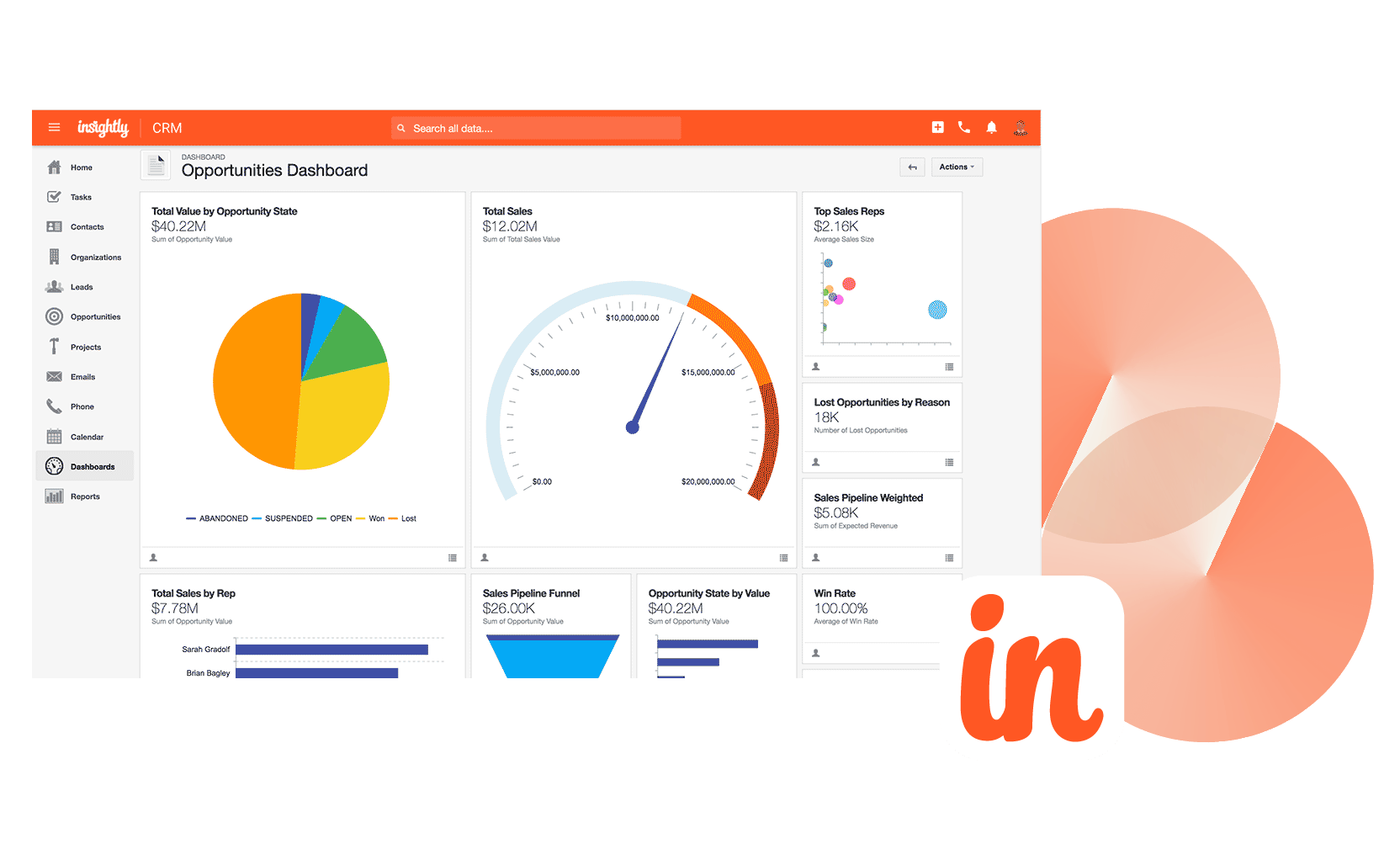
Built for digital-first companies with features like AI-powered insights and omnichannel communication. - Insightly
Combines CRM with project management—perfect for agencies or dev teams juggling multiple clients.
How CRM Supports the Software Development Lifecycle (SDLC)
CRM systems help software teams across each phase of the SDLC:
- Requirement Gathering: Document and track client needs, goals, and project scope.
- Design & Planning: Share mockups, get approvals, and assign tasks to internal teams.
- Development: Keep clients updated on progress; log feedback and feature requests.
- Testing & QA: Schedule demos, collect bug reports, and close feedback loops.
- Deployment: Automate onboarding, deliver training, and hand off to customer success.
- Maintenance: Manage support tickets, upsells, and ongoing communication.
CRM Integrations Essential for Software Companies
For maximum efficiency, integrate your CRM with:
- Code Repositories: GitHub, GitLab
- CI/CD Tools: Jenkins, Bitbucket Pipelines
- Project Management: Jira, Trello, ClickUp
- Marketing Tools: Mailchimp, ActiveCampaign
- Analytics Platforms: Google Analytics, Mixpanel
- Customer Support: Intercom, Help Scout
These integrations create a connected ecosystem where customer insight and product development are tightly aligned.
Challenges in CRM Adoption for Software Businesses
Despite the benefits, companies face challenges such as:
- Over-customization leading to complexity and user resistance
- Lack of CRM training among technical teams
- Poor data hygiene, resulting in duplicate or outdated records
- Failure to align CRM workflows with agile development practices
Solving these requires:
- Simple, intuitive UI
- Clear processes and ownership
- Regular audits and user feedback
The Future of CRM in the Software Sector
Modern CRM platforms are evolving beyond data management. The future includes:
- AI-driven insights for churn prediction and upsell opportunities
- Predictive analytics to forecast product adoption
- ChatGPT-like assistants for sales and support automation
- Self-service portals for customers to access tickets, invoices, and knowledge bases
- Integration with IoT and edge computing in software-hardware hybrid products
Conclusion
CRM in software is no longer optional—it is the cornerstone of operational excellence and customer satisfaction. Whether you’re a growing SaaS startup or a global software enterprise, a purpose-built CRM system enables you to manage leads, enhance collaboration, streamline onboarding, and deliver a superior customer experience.
As technology evolves, the integration of CRM with product development, support, and marketing will define who leads and who lags in the software world.