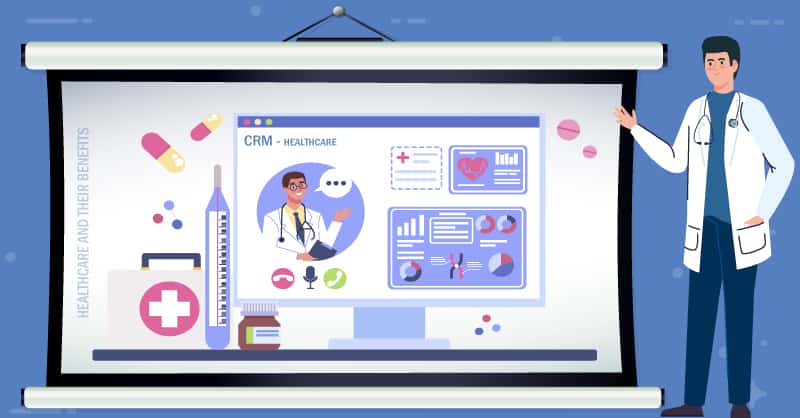
In today’s digitally driven healthcare landscape, Customer Relationship Management (CRM) systems are no longer optional—they are essential. As healthcare organizations strive to deliver personalized care, streamline operations, and enhance patient engagement, a robust CRM solution becomes the foundation for long-term success.
What is Healthcare CRM?
Healthcare CRM is a specialized platform designed to manage and analyze patient interactions and data throughout the patient lifecycle. Unlike generic CRM systems, a healthcare CRM is tailored to the unique needs of hospitals, clinics, pharmaceutical companies, and other medical institutions. It facilitates data-driven decision-making, improved communication, and ultimately, better patient outcomes.
Key Features of Healthcare CRM Systems
A high-performing healthcare CRM system comes equipped with features that address the multifaceted needs of providers and patients:
- Patient Data Integration
CRM systems unify disparate data from EHRs, appointment systems, billing platforms, and third-party apps into a centralized hub. - Automated Communication Tools
Automated email, SMS, and phone call reminders help improve appointment adherence, follow-ups, and patient satisfaction. - Advanced Analytics and Reporting
With built-in analytics tools, healthcare providers can track patient behavior, analyze trends, and forecast future needs. - Lead and Referral Management
CRMs enable facilities to track referrals, incoming leads, and patient acquisition sources, optimizing marketing strategies. - HIPAA-Compliant Security
Security is paramount. Leading CRMs for healthcare ensure data encryption, secure user access, and compliance with HIPAA regulations.
Benefits of CRM in Healthcare
The integration of a CRM system in healthcare provides measurable and transformative benefits across departments.
1. Enhanced Patient Experience
With CRM, every interaction becomes personalized and patient-centered. Providers can access patient history, preferences, and previous communications instantly, allowing for tailored care plans and empathetic communication.
2. Streamlined Administrative Workflows
Automating routine tasks such as appointment reminders, intake forms, and post-visit follow-ups reduces administrative burden and frees up staff time for more critical responsibilities.
3. Improved Patient Retention and Loyalty
Consistent engagement through a CRM platform helps build long-term relationships, increases loyalty, and reduces churn. Satisfied patients are more likely to return and recommend the facility.
4. Data-Driven Marketing
With detailed insights into patient demographics and behavior, healthcare marketers can run targeted campaigns for specific services such as cosmetic procedures, preventive screenings, or chronic care management.
5. Coordinated Care Across Teams
A CRM acts as a communication bridge between departments—administration, billing, clinical staff, and support—ensuring that no information falls through the cracks and that continuity of care is maintained.
Applications of CRM in Different Healthcare Segments
Hospitals and Clinics
Hospitals benefit from CRM through centralized scheduling, referral tracking, and inpatient follow-up programs. Clinics use CRM to manage high patient volumes, retain recurring patients, and coordinate multi-specialty care.
Dental and Cosmetic Practices
These practices leverage CRM to manage consultation scheduling, treatment planning, loyalty programs, and before-and-after communications. CRM helps deliver concierge-level service that keeps patients returning.
Pharmaceutical Companies
Pharma companies use CRM to track physician interactions, manage sample distribution, streamline compliance reporting, and run data-driven product promotions.
Telemedicine Providers
With the rise of virtual care, telemedicine providers use CRM to schedule online appointments, maintain secure communication, and deliver consistent digital patient experiences.
How CRM Improves Patient Engagement
Patient engagement is central to effective healthcare delivery. CRM platforms support this through:
- Patient Portals with access to medical records, lab results, and care instructions
- Automated appointment scheduling and billing notifications
- Personalized health content sent based on patient conditions or interests
- Real-time survey collection to measure satisfaction and feedback
By empowering patients with tools and information, CRMs encourage active participation in their care journey.
CRM Integration with EHR Systems
A common misconception is that EHRs are sufficient for managing patient relationships. However, EHRs focus on clinical data, while CRMs focus on interactions and engagement. Integration between EHRs and CRM platforms offers:
- Real-time synchronization of medical and personal data
- Streamlined communication between clinical and non-clinical teams
- A 360-degree view of the patient beyond the exam room
Leading CRMs offer API support for integration with popular EHR systems like Epic, Cerner, Allscripts, and more.
Challenges in Implementing Healthcare CRM
Despite the advantages, healthcare CRM implementation comes with challenges:
- Data Migration
Migrating legacy data into a new CRM system requires planning and technical expertise. - User Adoption
Training staff and encouraging daily CRM usage is critical for ROI. - Privacy and Compliance
Ensuring HIPAA compliance, consent management, and data access controls is non-negotiable.
Choosing the Right Healthcare CRM
When selecting a CRM system for a healthcare organization, consider:
- Industry-specific features
- Customizable patient workflows
- Mobile accessibility for remote staff
- Vendor reputation and support
- Scalability to match organizational growth
Top CRM vendors in healthcare include Salesforce Health Cloud, Microsoft Dynamics 365, Zoho CRM for Healthcare, HubSpot (with healthcare plugins), and Kareo.
Future of CRM in Healthcare
The future of healthcare CRM is being shaped by AI, machine learning, and predictive analytics. These technologies will allow CRMs to:
- Predict readmission risks
- Recommend personalized treatment paths
- Identify at-risk patients for preventive outreach
- Automate more complex patient journeys
Additionally, integration with wearable devices and IoT medical tools will provide CRMs with real-time health data, revolutionizing remote monitoring and preventive care.
Conclusion
Healthcare CRM is transforming how providers manage relationships, streamline care, and engage patients. By adopting a purpose-built CRM, healthcare organizations can elevate operational efficiency, foster loyalty, and deliver exceptional care experiences that set them apart in an increasingly competitive market.