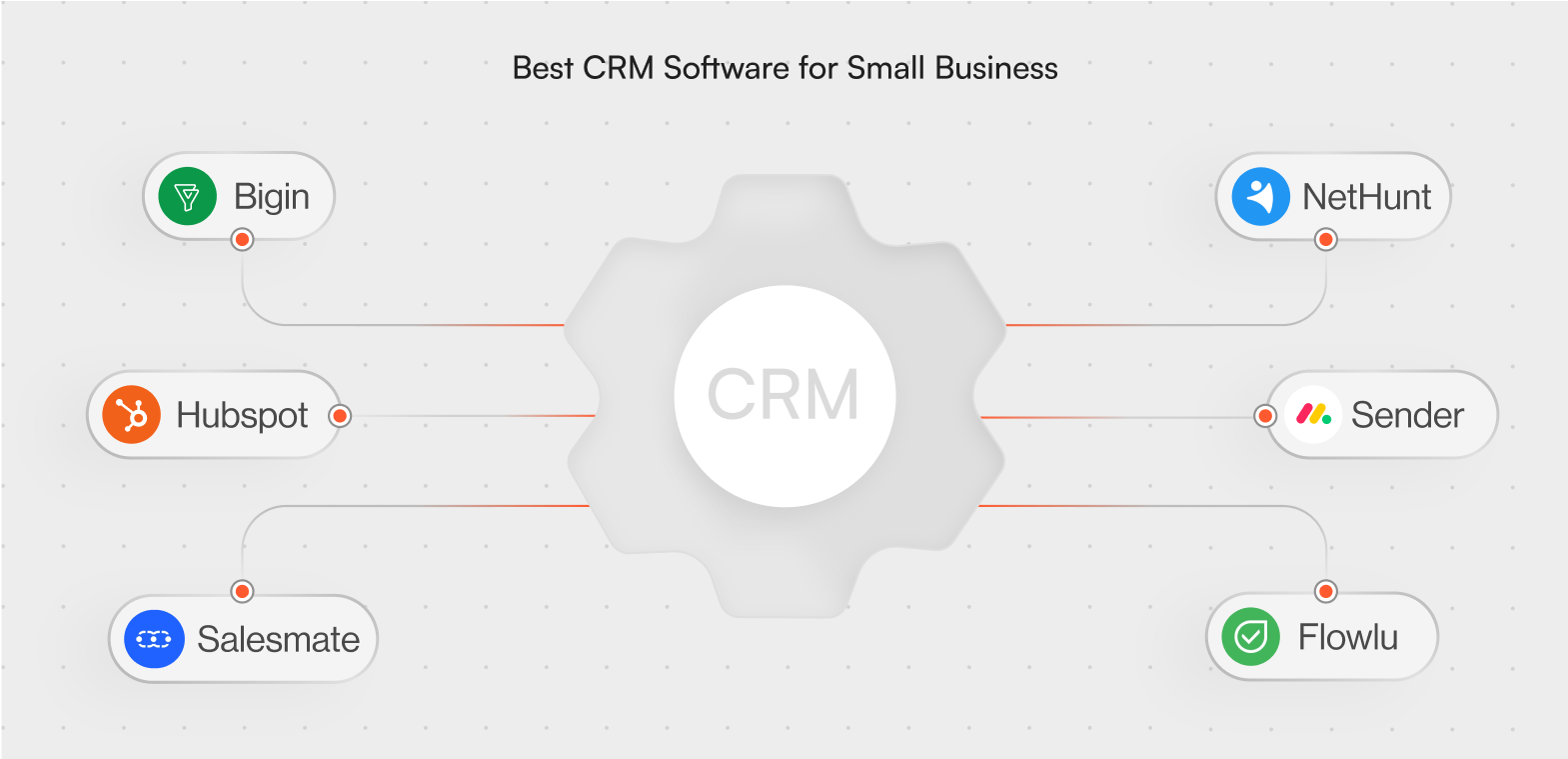
In today’s highly competitive marketplace, small businesses need every advantage to grow and succeed. One of the most powerful tools available is CRM software for small businesses. This technology helps organizations streamline customer management, improve sales processes, and enhance marketing efforts — all critical to achieving sustainable growth.
This comprehensive guide explores why CRM software is essential for small businesses, the benefits it offers, key features to look for, and top CRM options tailored for small business needs in 2025.
Why Small Businesses Need CRM Software
Small businesses often face unique challenges — limited resources, small teams, and the need to build strong relationships quickly. Managing contacts, leads, and customer interactions manually through spreadsheets or email can lead to missed opportunities and inconsistent service.
CRM software centralizes all customer information, allowing small businesses to:
- Organize customer data in one place for easy access
- Track sales pipelines and manage leads efficiently
- Automate repetitive marketing and sales tasks
- Gain insights through analytics and reporting
- Enhance customer experience with personalized communication
By adopting CRM software, small businesses can operate more efficiently, compete more effectively, and foster loyal customer relationships.
Key Benefits of CRM Software for Small Businesses
1. Improved Customer Relationship Management
CRM software stores detailed customer profiles including purchase history, preferences, and communication logs. This information helps small businesses tailor their approach, deliver personalized experiences, and build long-lasting relationships.
2. Streamlined Sales Processes
CRMs allow sales teams to track leads and deals through the sales funnel with clear visibility. Automated reminders and follow-ups ensure that no prospects slip through the cracks, boosting conversion rates.
3. Enhanced Marketing Capabilities
Many CRM platforms integrate marketing automation tools that enable small businesses to segment customers, send targeted email campaigns, and track campaign performance — all leading to higher ROI.
4. Better Data Organization and Accessibility
A centralized CRM database eliminates scattered information and reduces errors. Accessible anytime, anywhere via mobile apps or cloud-based systems, it supports remote work and field sales.
5. Actionable Analytics and Reporting
Small businesses can generate custom reports on sales trends, customer behavior, and campaign effectiveness. These insights inform smarter business decisions and strategic planning.
6. Scalability for Growth
Modern CRM solutions offer flexible pricing and scalable features, so small businesses can start with essential tools and expand capabilities as they grow.
Must-Have Features in CRM Software for Small Businesses
When selecting CRM software, small businesses should look for features that maximize usability and ROI without overwhelming resources:
User-Friendly Interface
A simple, intuitive interface reduces training time and encourages team adoption.
Contact and Lead Management
Efficiently track all customer interactions, segment leads, and prioritize follow-ups.
Sales Pipeline Management
Visualize sales stages clearly and manage deals effectively.
Automation Tools
Automate tasks such as follow-up emails, appointment reminders, and lead nurturing.
Email Integration
Sync with Gmail, Outlook, or other email platforms for seamless communication.
Mobile Access
Allow sales and service teams to update customer information on the go.
Reporting and Analytics
Generate customizable reports to track KPIs and business performance.
Integration with Other Tools
Connect CRM with accounting software, marketing platforms, or e-commerce tools.
Top CRM Software for Small Businesses in 2025
1. HubSpot CRM
- Why: Offers a robust free version with marketing, sales, and service tools.
- Best For: Small businesses seeking an all-in-one, scalable solution.
2. Zoho CRM
- Why: Affordable with powerful automation and customization options.
- Best For: Businesses needing flexible features on a budget.
3. Pipedrive
- Why: User-friendly with a focus on visual sales pipeline management.
- Best For: Sales-driven small businesses.
4. Freshsales (Freshworks CRM)
- Why: Combines ease of use with AI-driven lead scoring and automation.
- Best For: Teams looking for straightforward, intelligent CRM.
5. Insightly
- Why: Combines CRM with project management for end-to-end business workflow.
- Best For: Businesses managing both sales and projects.
Tips for Successfully Implementing CRM Software in Small Businesses
- Define Clear Objectives: Understand what you want to achieve with CRM — increased sales, better customer service, or streamlined marketing.
- Train Your Team: Provide adequate training and resources to ensure smooth adoption.
- Keep Data Clean: Regularly update and audit data to maintain accuracy.
- Start Small and Scale: Begin with essential features, then add advanced functionalities as needed.
- Leverage Support Resources: Use vendor support, online tutorials, and community forums to maximize CRM effectiveness.
Conclusion
Investing in the right CRM software for small businesses is no longer optional — it’s essential for thriving in a competitive market. By automating processes, centralizing customer information, and providing actionable insights, CRM solutions enable small businesses to build stronger relationships, increase sales, and grow sustainably.
Choosing a CRM tailored to your business needs and committing to best practices in implementation will position your company for long-term success.