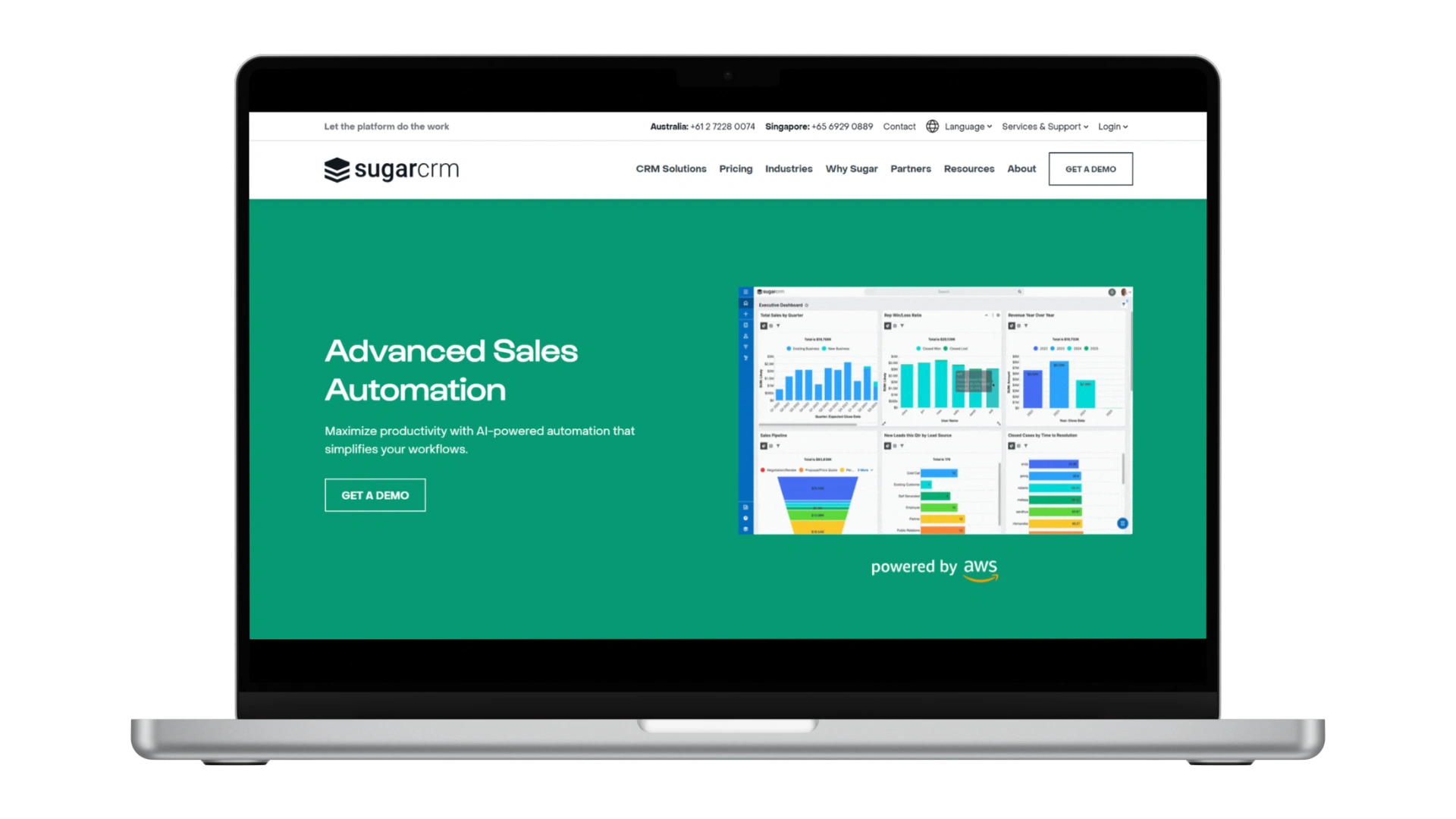
In the fast-paced world of digital marketing, businesses are under constant pressure to attract, retain, and engage customers across multiple channels. To succeed in this competitive environment, companies must leverage technology that not only stores customer information but also helps create meaningful, personalized marketing campaigns. This is where CRM marketing software becomes a game-changer.
A powerful CRM marketing software combines the capabilities of customer relationship management with advanced marketing automation, giving brands the power to connect with their audience more effectively, improve ROI, and streamline marketing workflows.
What is CRM Marketing Software?
CRM marketing software is a specialized platform that helps businesses manage customer data, segment audiences, automate marketing campaigns, track customer interactions, and analyze marketing performance—all from a centralized system.
Unlike standard CRM tools that focus mainly on sales and customer service, CRM marketing software is built to support end-to-end marketing operations. It empowers marketing teams to nurture leads, create dynamic content, and deliver personalized experiences across email, social media, SMS, and more.
Core Features of CRM Marketing Software
To maximize efficiency and results, CRM marketing software integrates a broad range of features designed specifically for marketing professionals.
1. Contact and Audience Segmentation
- Organize customers based on demographics, behaviors, interests, and purchase history.
- Create dynamic lists that update automatically based on user actions.
- Target the right message to the right audience at the right time.
2. Marketing Automation
- Automate email campaigns, welcome series, birthday greetings, re-engagement sequences, and more.
- Set triggers based on user behavior (e.g., website visits, link clicks, form submissions).
- Save time and ensure consistent communication without manual effort.
3. Email Campaign Builder
- Drag-and-drop email editors for creating responsive emails.
- A/B testing features to determine the most effective messaging.
- Built-in templates and personalization tools to boost engagement.
4. Lead Scoring and Nurturing
- Assign scores to leads based on actions taken (downloads, clicks, visits).
- Identify high-intent leads ready for sales handoff.
- Nurture colder leads through automated workflows.
5. Analytics and Reporting
- Track email open rates, click-throughs, conversions, and campaign ROI.
- Visualize customer journeys and funnel performance.
- Use insights to refine future strategies.
6. Multi-Channel Marketing
- Execute campaigns across email, SMS, social media, landing pages, and even direct mail.
- Centralize campaign data for better cross-channel tracking and optimization.
7. Integration with Other Tools
- Connect with eCommerce platforms (Shopify, WooCommerce), CMS (WordPress), social media (Facebook, Instagram), and payment gateways.
- Sync with sales CRM tools to ensure smooth lead handoff and pipeline management.
Benefits of Using CRM Marketing Software
1. Personalization at Scale
CRM marketing software enables marketers to deliver tailored content and experiences to thousands of customers based on their preferences and behaviors—boosting open rates, click rates, and conversions.
2. Higher Efficiency and Productivity
Automation eliminates repetitive tasks like sending emails or segmenting lists, allowing marketing teams to focus on strategy and creativity instead of execution.
3. Improved Customer Retention
Track each customer’s lifecycle stage, send timely re-engagement emails, and offer personalized promotions—leading to higher retention rates and customer lifetime value.
4. Better Alignment with Sales
Integrated CRM marketing software ensures that sales and marketing are aligned. Leads can be scored, nurtured, and handed over to sales at the optimal moment, increasing the likelihood of closing deals.
5. Real-Time Insights for Smarter Decisions
With detailed dashboards and reports, marketers can quickly assess what’s working and what’s not—leading to data-driven decisions that optimize every campaign.
Who Should Use CRM Marketing Software?
CRM marketing software is ideal for:
- Small Businesses seeking affordable, all-in-one marketing tools.
- eCommerce Brands looking to engage customers with personalized product offers and abandoned cart emails.
- B2B Companies that need to nurture long sales cycles through lead scoring and drip campaigns.
- Agencies managing multiple clients and needing scalable, automated solutions.
- Enterprise Businesses that require advanced segmentation, cross-channel execution, and deep analytics.
Top CRM Marketing Software Platforms in 2025
Here are some of the most popular and reliable CRM marketing tools on the market:
1. HubSpot Marketing Hub
- User-friendly, powerful, and offers free plans.
- Strong email automation, CRM integration, and lead tracking.
- Ideal for businesses of all sizes.
2. ActiveCampaign
- Robust automation with advanced behavioral tracking.
- Excellent for email marketing, customer experience automation, and eCommerce.
3. Mailchimp (with CRM Features)
- Known for email marketing but now offers CRM capabilities.
- Great for small businesses and startups.
4. Zoho CRM Plus
- All-in-one platform combining CRM, marketing, and social media tools.
- Affordable and customizable.
5. Salesforce Marketing Cloud
- Enterprise-level solution with deep personalization and AI-driven analytics.
- Best for large organizations with complex needs.
6. Klaviyo
- Built specifically for eCommerce.
- Excellent automation, A/B testing, and audience segmentation.
How to Choose the Right CRM Marketing Software
When evaluating CRM marketing software, consider the following:
- Business Size & Budget: Choose software that fits your current size but can scale as you grow.
- Ease of Use: An intuitive interface is essential to reduce the learning curve and speed up adoption.
- Feature Set: Ensure the platform includes the features your team needs (automation, integrations, analytics, etc.).
- Customer Support: Look for platforms that offer responsive, knowledgeable support.
- Integration Capabilities: Your CRM marketing software should integrate with your sales tools, website, analytics, and third-party platforms.
Best Practices for CRM Marketing Success
To make the most of your CRM marketing software, follow these key best practices:
1. Keep Your Data Clean
Regularly remove duplicates, update contact info, and ensure compliance with data privacy laws like GDPR.
2. Segment Your Audience
Don’t send the same message to everyone. Use behavior, demographics, and purchase history to create targeted campaigns.
3. Automate Thoughtfully
Use automation to stay in touch, but always maintain a human tone. Avoid overwhelming customers with too many emails or irrelevant messages.
4. Test and Optimize
A/B test subject lines, email designs, send times, and content. Use the results to improve future campaigns.
5. Monitor KPIs
Keep an eye on key performance indicators like:
- Open Rate
- Click-Through Rate (CTR)
- Conversion Rate
- Customer Acquisition Cost (CAC)
- Customer Lifetime Value (CLV)
The Future of CRM Marketing Software
The evolution of CRM marketing software is being driven by AI, machine learning, and predictive analytics. Future-ready platforms are offering:
- Hyper-personalized content based on real-time user behavior.
- AI-generated emails and subject lines for higher engagement.
- Predictive customer journeys that trigger actions before the customer even takes them.
- Conversational marketing via chatbots and voice assistants.
- Seamless integration with IoT, AR/VR, and other next-gen tech for immersive brand experiences.
Conclusion
In an age where customer expectations are higher than ever, CRM marketing software is the strategic engine that powers effective, personalized, and scalable marketing. By investing in the right platform and leveraging its features to their full potential, businesses can nurture stronger relationships, drive more conversions, and stay ahead of the competition.